
Gig economy

PLACEHOLDER — sector article. This article will argue that gig-economy platforms need ongoing biometric assurance that the verified worker is the one performing each job; Self’s research architecture provides exactly that gate. Prose pending Voxen pass.

June 11, 2026
PLACEHOLDER — content needs Voxen pass. The placeholder below sketches the sector article’s expected shape; the prose will be drafted in a follow-up story using the same restatement-driven kit as the digital-signatures article. Do not treat the wording below as voice-fitted.

What this article will argue

The research-architecture’s identity layer applied to ongoing-assurance team management for gig workers — verifying that the verified worker is the one actually performing the job.

PLACEHOLDER ends here. The gig-economy sector article is sketched, not voice-fitted. Voxen pass needed.

Encrypted, but to whom?
Prime Minister Andy Burnham exchanged messages with someone impersonating Trump's chief of staff. He worked out the impersonation. The problem is that they could reach him at all. The device in a public official's pocket has no identity layer.
Authentication
Authentication is meant to establish that a person is who they say they are. In practice, the mechanism checks a credential — and adding more factors does not change what is checked. The research asks how authentication can check the person, not just the credential.
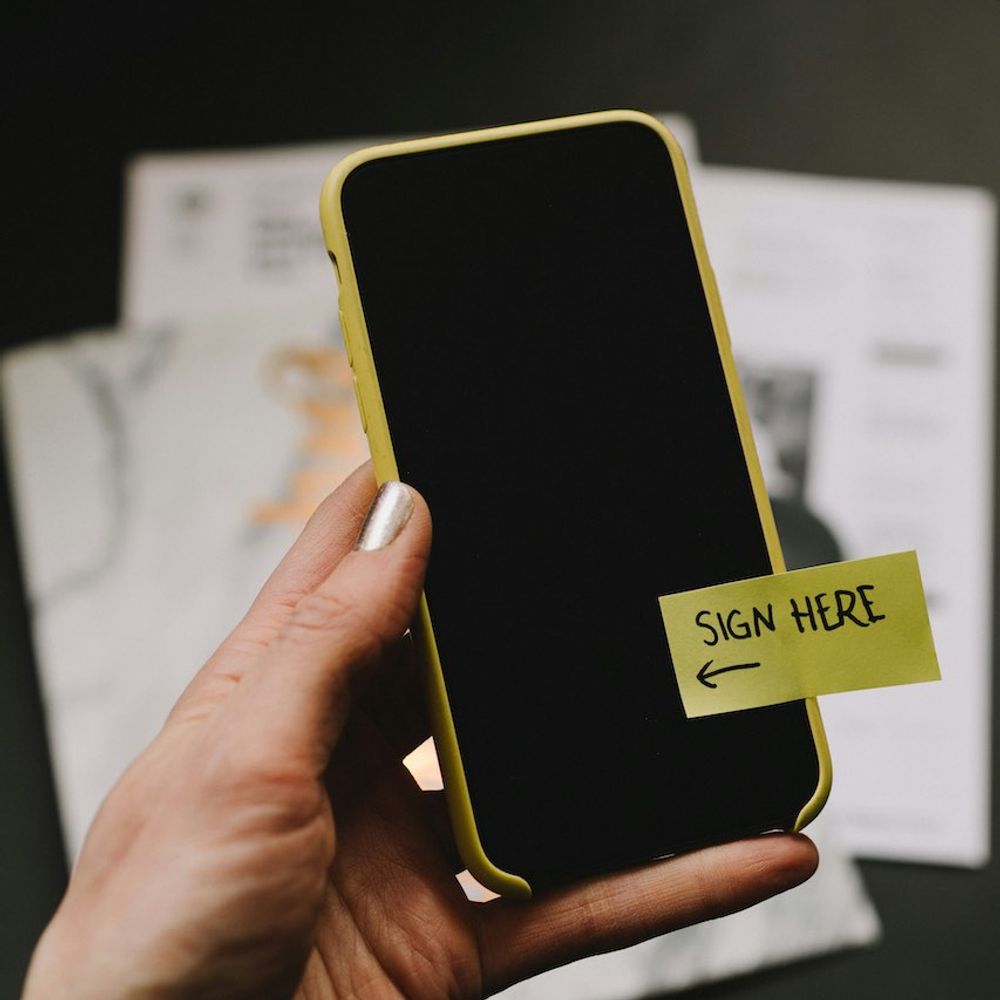
Digital signatures
Digital signatures inherited the name from wet ink but the mechanism is actually cryptography. Digital signature tiers are honest accommodations for an identity gap they cannot close. The research asks what a signature is, once the document is no longer the point.