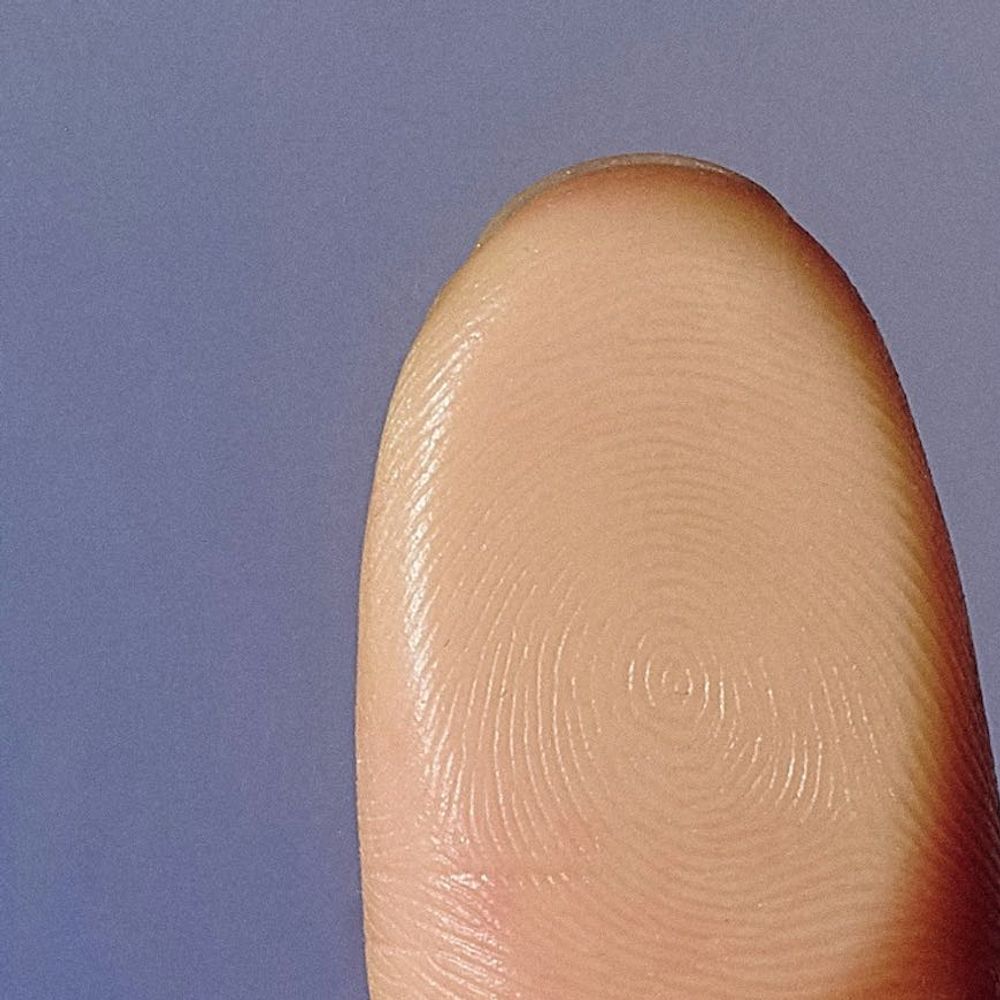
Uses - applied research into the everyday uses of digital iden tity.

We're working through what authentication, identity verification, and digital signatures could look like when the underlying architecture treats identity as a representation of a human rather than a credential to be issued, stored, or sold.

187
Average number of passwords a person has.
3.4 Billion
Remote digital signatures Italy recorded in the first half of 2025 alone.
5,000
Average number of authentications a person makes in a year.

" The identity metasystem is vital for personal autonomy and ultimately human rights. Computers are coming to intermediate every aspect of our lives. Our autonomy and freedom as humans depend on how we architect this digital world. "

Phil Windley
IIW Foundation
Digital signatures

Digital signatures

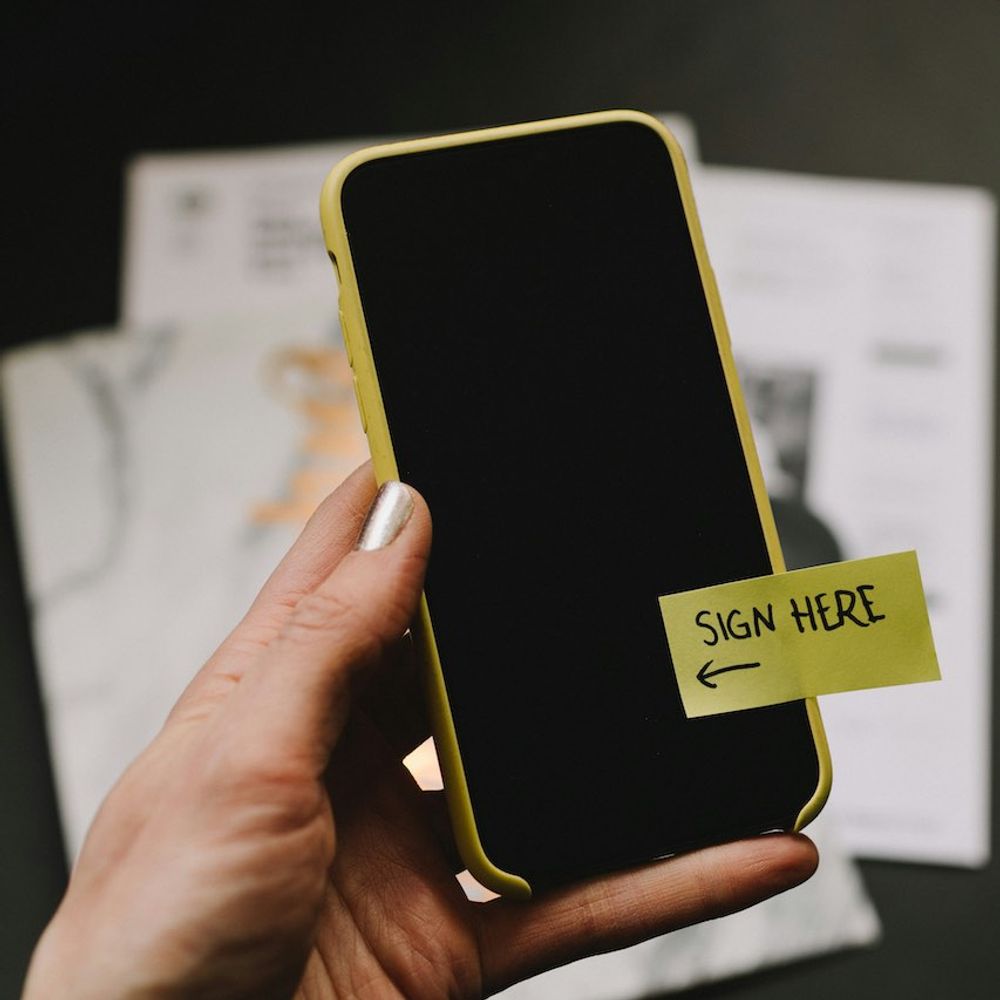
Digital signatures inherited the name from wet ink but the mechanism is actually cryptography. Digital signature tiers are honest accommodations for an identity gap they cannot close. The research asks what a signature is, once the document is no longer the point.

Read more
Authentication

Authentication

Authentication is meant to establish that a person is who they say they are. In practice, the mechanism checks a credential — and adding more factors does not change what is checked. The research asks how authentication can check the person, not just the credential.

Read more
Identity verification

Identity verification

Today's identity verification asks people to photograph their passport, driving licence, and utility bill, and to take a selfie. The organisation running the check keeps that material — the same material that hackers want and regulators police. The research asks how identifiers designed for the internet, and verification done on the user's device, could remove the need for the material to be held at all.

Read more

Discover our wider applied research

View research