




FaceID is the gold standard. everything else is complex, slow and often ineffective under the whizzy graphics. The challenge facing Self was how to emulate the user experience of Face ID (or even improve on it) while making the output much more useful. We also have to be platform agnostic and allow users to transition between platforms without losing their accounts or their data. And we have to do all that without having a central database or store of users or their details.
Scott Galloway, at NYU Stern School of Business famously said of the digital economy that "Convenience trumps everything." It was his view that consumers will consistently choose the option that saves them time and effort, often valuing convenience above other factors like price, brand loyalty, or even privacy. In that context Self cannot hope to encourage users to participate in a process that breaks this concept, so we have been working on how to ensure our checks can deliver security and convenience.
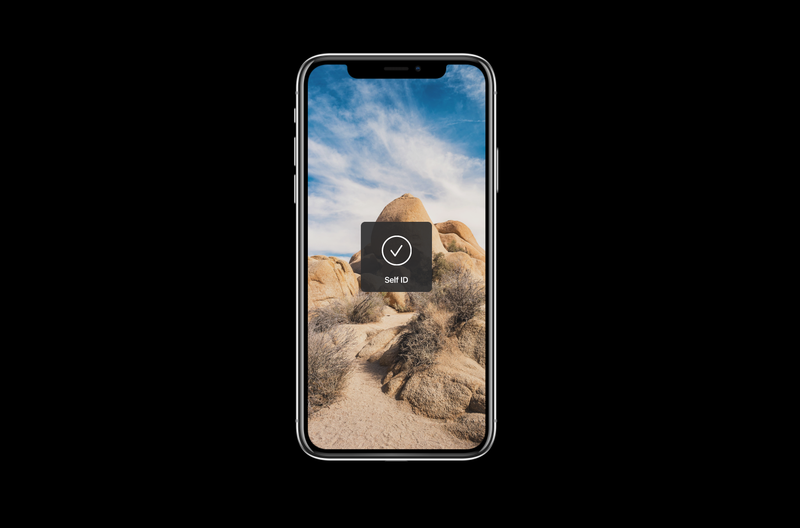
Our beta release of Self sandbox uses a more traditional UX/UI interface for liveness, but we will be rolling out something closer to what we have shown in the video above for the upcoming production release, with differences for iOS and Android users based on their platforms. Either way we're tying the user to their actions in real time and a simple interaction like the one above can do everything from signing a document to opening the door to your office or letting your kid watch TV.